Brother Claus, Christmas PNG Review for Real Embroidery Projects
When I first opened the Brother Claus, Christmas PNG, I was greeted with a warm and whimsical holiday feel. The design brings to mind classic Christmas illustrations—jolly, detailed, and instantly recognizable. It’s not just festive; it has that timeless charm that makes it stand out in today's fast-moving craft market. As an embroidery designer who regularly works on handmade products and client projects, I appreciate when a design feels both authentic and adaptable. This one checks those boxes, but let’s dig into how it actually performs when stitched onto real items.
A Visual First Impression That Matters
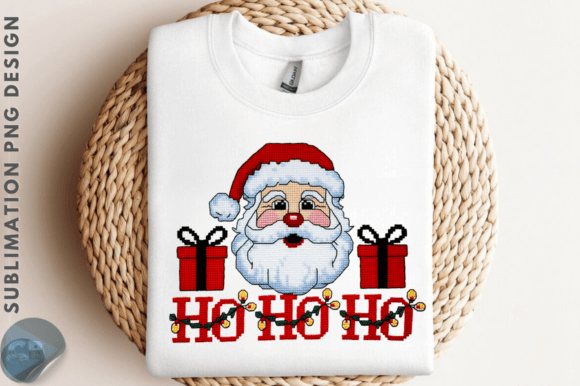
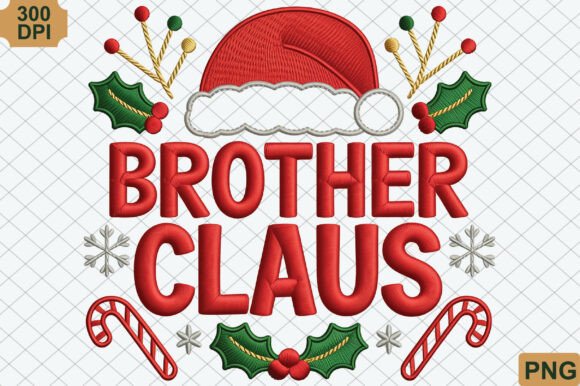
The layout of Brother Claus, Christmas PNG is well-balanced, with a central figure of Santa that naturally draws the eye. His round belly, flowing beard, and jingling bag are rendered with enough detail to make him lively without being overwhelming. The colors are vibrant yet subtle, which means they’ll translate well to various fabric types and thread palettes. For someone like me who creates custom apparel or handmade products, this kind of visual personality is key—it adds character without shouting for attention.
I see this design fitting beautifully on sweatshirt embroidery, tote bags, or even nursery decor. Its playful tone makes it ideal for family-friendly items, while its clean lines could also work in more sophisticated contexts if reimagined with color tweaks or stitch variations.
Real-World Use Cases: Where Brother Claus Shines
Let’s say I’m designing a Christmas tote bag for my Etsy shop. I’d start by placing the Claus design near the top edge, maybe alongside some simple snowflakes or holly. The PNG format allows for easy resizing and placement, so it doesn’t take long to get it looking right in my printable mockup. Once stitched, the result is charming and clear, especially when using a good set of thread colors that pop against the background fabric.
For custom apparel, such as kids’ sweatshirts or adult hoodies, this design can become a focal point. A satin stitch outline around his face and hat adds dimension, while the rest of the body uses a balanced fill stitch to keep it from becoming too dense. On a cotton hoodie, the contrast between reds and whites really comes through, making it look professionally finished. Even on darker fabrics, the design holds up if you use light-colored threads for the main elements.
In holiday gifts or personalized products, this design elevates the overall aesthetic. Picture an embroidered pillow cover with Claus holding a gift tag with a name or date. The design feels intentional, and customers often respond positively to that kind of thoughtful customization.
As for commercial embroidery, I’ve used similar styles in small shop product runs. Claus is versatile enough to fit boutique branding themes—think cozy cafes, toy stores, or family-owned shops. He brings a sense of tradition and warmth that aligns perfectly with seasonal merchandise.
Where to Handle with Care
While Brother Claus, Christmas PNG is a solid choice, there are a few situations where I’d tread carefully:
- Small hoop sizes: If you’re working with tight spaces, like an embroidered patch or cap embroidery, the details might get lost unless you scale down smartly.
- Textured or stretchy fabrics: The design relies on smooth surfaces to maintain clarity. Stretch knits or flannel can distort fine lines and facial features.
- Thin or dark fabric: Without proper stabilizer, the stitching may pull or sink into the material. Dark backgrounds will require careful thread selection to ensure visibility.
- Dense stitch areas: Claus’s beard and coat details could cause puckering if the stitch density isn’t adjusted for the specific fabric.
- Products needing frequent washing: Dense stitching may fade or fray over time if not reinforced properly.
These aren’t deal-breakers—they’re just things to consider before finalizing your embroidery project. Testing the design on a scrap piece of your intended fabric can save a lot of headaches later.
Design Notes from a Pro’s Perspective
Before using any machine embroidery design, I always do a quick checklist. Here’s what I recommend for Brother Claus, Christmas PNG:
- Test on scrap fabric: Especially if you're planning to use it on stretchy or thin materials.
- Check thread color contrast: Make sure Claus stands out clearly against your chosen fabric. Lighter tones tend to be safer for dark backgrounds.
- Review stitch density: Claus has intricate areas like his face and hat. Adjust the fill stitch settings if needed to avoid distortion.
- Confirm hoop size: Larger designs need bigger hoops. If you're unsure, try scaling the design slightly to see how it fits.
- Inspect small details: Look at the eyes, buttons, and belt. These should remain crisp and defined after stitching.
- Test in black and white: This helps evaluate how the design looks with limited color options or if using metallic threads.
- Compare light and dark backgrounds: See how Claus adapts visually and adjust thread choices accordingly.
- Use proper stabilizer: Especially important for delicate or stretchy fabrics.
- Verify commercial use rights: If you're selling finished products or digital assets, confirm licensing to avoid issues.
Customer Appeal and Brand Value
What I love about Claus is how he subtly communicates quality. Customers don’t just see a holiday illustration—they see intentionality. Whether it’s a handmade product for a local craft fair or a digital embroidery file for resale, Claus contributes to a stronger brand image. His presence suggests craftsmanship, care, and a touch of joy—perfect for holiday embroidery or giftable items.
This design also helps with product recognition. In an Etsy listing or at a boutique event, Claus can become a signature element of your collection. People remember visuals like these, and they often lead to repeat buyers or word-of-mouth referrals.
Stitch Clarity and Presentation Tips
One thing I noticed during testing is that Claus’s running stitch outlines hold up best when paired with a slight underlay. This helps prevent fraying and gives the design a polished finish. If you’re going for a more rustic or vintage look, you can simplify the stitch types—but be aware that it might reduce clarity.
Also, Claus benefits from a little extra spacing around the edges. When placed tightly next to other elements or text, the charm can be overshadowed. Let the design breathe a bit, especially if it’s the main attraction on a pillow cover or tea towel.
For apparel decorators, Claus works well as a front-and-center feature. But if you’re doing multiple designs per garment (like Claus + reindeer + snowman), balance is crucial. Don’t overcrowd the space; stick to a cohesive theme.
Final Thoughts for Crafters and Makers
Brother Claus, Christmas PNG is more than just an illustration—it’s a design that carries emotional weight. It tells a story of joy, tradition, and celebration. As a designer, I value that because it connects with customers on a deeper level. Whether you're creating handmade gifts or building a craft business, Claus can add a meaningful touch to your finished product.
But remember, the success of your embroidery project depends on how well you adapt the design to your materials and tools. Take the time to test it out, tweak the stitches, and choose the right threads and fabrics. The payoff is worth it—especially when customers receive something that feels both personal and professional.
If you're looking to bring a bit of holiday cheer into your design assets this season, Claus is a great candidate. Just approach it with the same thoughtfulness you would any illustration-based embroidery, and you’ll end up with a product that feels truly special.