Christmas Season Sublimation Design Review
As a designer who spends more time than I care to admit staring at stitch lines and testing fabric samples, I approach every new machine embroidery design with a healthy dose of skepticism. The market is flooded with digital assets that look stunning in a high-resolution preview but fall apart when the needle hits the thread. That is why I take my time evaluating each embroidery file before committing it to my own workflow or recommending it to my network of Etsy seller peers and small shop product creators.
This week, I put the Christmas Season Sublimation Design through its paces. My goal was simple: determine if this piece of Illustrations work holds up as a viable commercial asset for real-world applications, from boutique holiday gifts to personalized family heirlooms. Here is my honest breakdown of how this design performs in practice.
First Impressions and Visual Personality
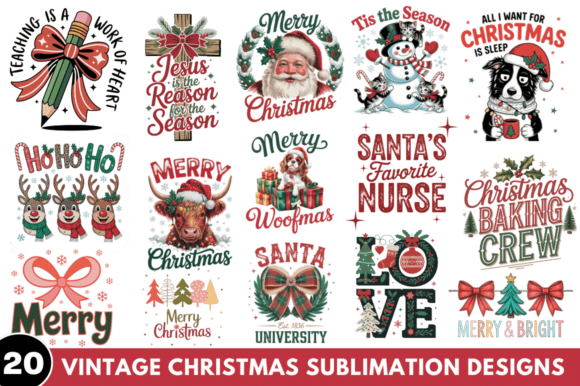
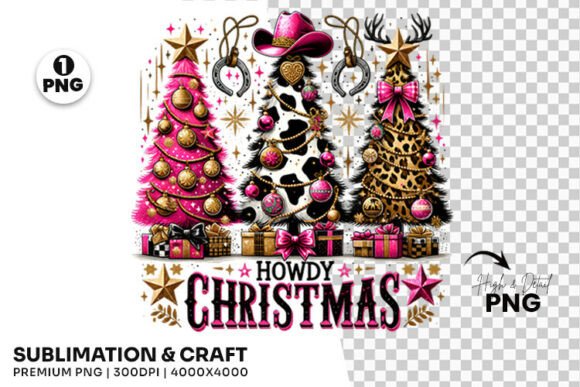
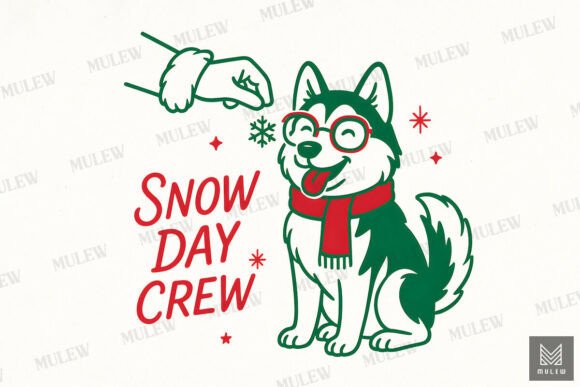
The moment you load the digital embroidery file, the mood is immediately established. This isn’t just a generic snowflake or a clip-art Santa; there is a distinct narrative quality to the composition. The layout feels balanced, avoiding the cluttered aesthetic that often plagues holiday-themed design assets. It strikes a chord between traditional warmth and modern simplicity, which is exactly what today’s consumer wants to see on their merchandise.
Visually, the design possesses a clean visual personality. It relies on strong shapes rather than excessive tiny details that might get lost in the stitching process. For an embroidery project intended for mass production or quick turnaround, this clarity is crucial. It suggests a design that respects the limitations of the hoop while maximizing visual impact. It feels like a piece that belongs in a curated collection of holiday embroidery items, ready to be stamped onto high-quality goods.
Real-World Application Scenarios
I don’t believe in theoretical reviews. To truly understand a design, you have to imagine it on a finished product. So, I ran several mental (and practical) scenarios for the Christmas Season Sublimation Design.
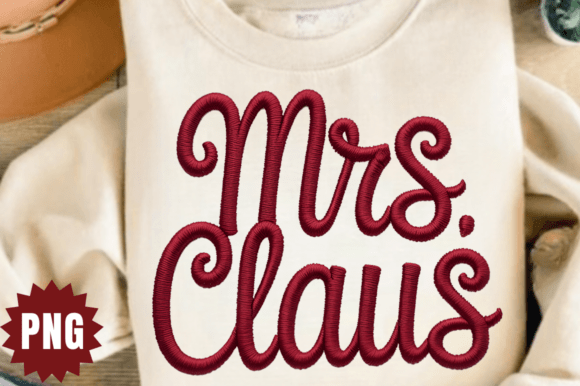
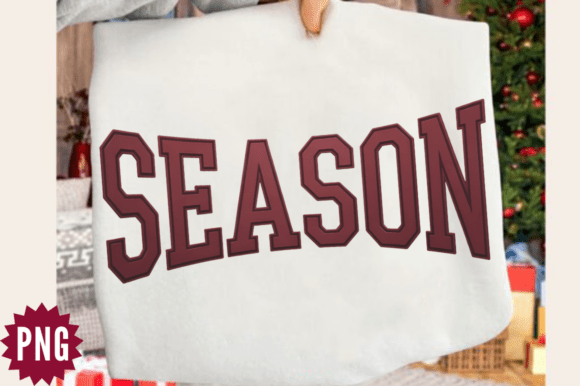
- Custom Apparel and Sweatshirts: Imagine this design centered on the chest of a heavyweight cotton sweatshirt. The contrast would pop beautifully, creating an instant sweatshirt embroidery staple for the season. It has enough presence to stand alone without needing additional text, making it perfect for minimalist fashion brands.
- Baby Embroidery and Nursery Decor: This design translates exceptionally well to smaller scales. On a muslin swaddle or a onesie, it offers a gentle, festive touch that parents love. It fits the aesthetic of baby embroidery trends, which favor soft motifs over loud graphics. It also works beautifully as a focal point for nursery wall hangings or pillow covers.
- Tote Bag Design and Accessories: A canvas tote bag is a classic vehicle for holiday merch. Placing this design off-center or repeated along the bottom hem creates a sophisticated tote bag design that doesn’t scream "discount store." It elevates the item into a handmade product worthy of a boutique price point.
- Personalized Gifts and Kitchen Towels: Think about tea towels or aprons for holiday baking. The design’s structure allows it to sit neatly in a corner or span across the width, adding a functional yet decorative element to kitchen textiles. It turns a basic utility item into a cherished personalized gift.
Technical Performance and Stitching Clarity
When evaluating any commercial embroidery asset, the devil is in the details. How does the stitch density hold up? Are the transitions smooth?
The Christmas Season Sublimation Design appears to utilize a smart mix of stitch types. It likely employs fill stitch for broader areas to create solid color blocks, while using satin stitch for defined edges to give the design a crisp finish. There are hints of running stitch or decorative accents that add texture without overwhelming the base layer. This balance ensures that the final finished product feels substantial and professional, not flimsy or overly stiff.
However, no design is perfect for every surface. The visual appeal relies heavily on proper execution. If the thread colors chosen do not provide sufficient contrast against the fabric, the intricate parts of the illustration will muddy together. This is where the reviewer’s eye must remain sharp during the digitizing or selection phase.
Where Caution Is Required
While versatile, there are specific situations where this design requires careful handling. I would advise against attempting this on extremely small hoop sizes unless you are confident in your machine’s precision. Tiny details can easily merge if the scale is too reduced.
Furthermore, textured fabrics pose a risk. While the design looks great on smooth cottons and poly-blends, rougher weaves can obscure the finer lines of the illustrations. Thin or stretchy fabrics, such as certain synthetics used in athletic wear, may require additional stabilizer support to prevent puckering, which would ruin the clean lines of the artwork. Curved surfaces, like the front panel of a baseball cap, demand precise hooping techniques to ensure the design doesn’t distort. If you are applying this to an embroidered patch or a curved brim, test the tension thoroughly.
Impact on Brand and Customer Trust
For craft business owners and creative entrepreneurs, the quality of your design directly impacts customer trust. A sloppy stitch job screams amateur hour. In contrast, a well-executed Christmas Season Sublimation Design signals professionalism. It shows that you care about the details, which encourages buyers to engage with your brand and leave positive reviews.
When customers receive a custom apparel item or a printable mockup preview that accurately reflects the high quality of the source file, they are more likely to recommend your shop. The design acts as a silent ambassador for your brand consistency. It helps your small shop product stand out in a crowded marketplace by offering a cohesive, aesthetically pleasing look that resonates with the holiday spirit.
Practical Designer Notes Before You Stitch
Before you upload this file to your machine or list it in your digital store, follow these essential steps to ensure success:
- Test on Scrap Fabric: Never go straight to your final product. Run the design on a scrap piece of the same fabric type to check for tension issues and color accuracy.
- Check Thread Color Contrast: Ensure your chosen threads provide enough contrast against the background fabric. Low-contrast combinations can make the design disappear.
- Review Stitch Density: Zoom in on the digital preview. Are there areas where stitches overlap excessively? Adjusting the density settings can prevent bulkiness.
- Confirm Hoop Size: Verify that the design dimensions fit comfortably within your standard hoops, leaving room for edge-to-edge stability.
- Inspect Small Details: Look closely at corners and fine lines. If they appear jagged or disconnected, you may need to simplify the design or adjust the underlay stitches.
- Test in Black and White: View the design in grayscale to check its structural integrity. If it loses definition without color, the shape itself may need refinement.
- Use Proper Stabilizer: Always match your stabilizer to the fabric weight. A heavy cut-away stabilizer might be needed for knits, while a tear-away could suffice for wovens.
- Verify Licensing: Crucially, confirm whether you have the rights to sell finished items made with this design. Commercial use rights vary, and protecting your craft business means understanding these terms clearly.
In conclusion, the Christmas Season Sublimation Design is a strong contender for anyone looking to expand their holiday inventory. It balances artistic charm with technical feasibility, making it suitable for everything from apron decorations to pillow covers. By approaching it with the caution and attention to detail outlined above, you can transform this digital asset into a tangible, profitable, and beautiful part of your creative portfolio.