Watercolor Cat Christmas Lights Clipart for Illustrations
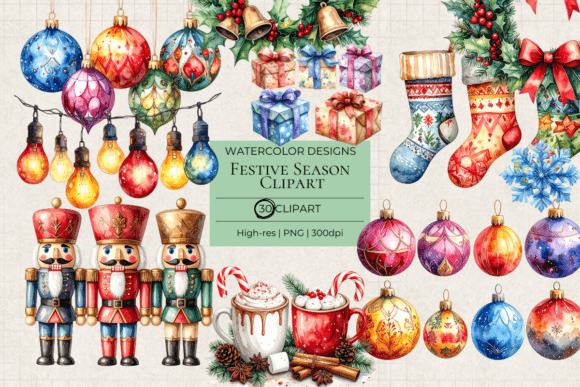
When I sit down with a client to discuss their holiday campaign or seasonal product launch, the visual mood is always the first thing we establish. We aren’t just looking for "cute"; we are looking for emotional resonance that translates into sales and brand loyalty. Recently, while scouting assets for a boutique handmade candle brand preparing for the winter season, I came across a design element that stopped my scroll: Watercolor Cat Christmas Lights Clipart. It is not merely a decorative sticker; it is a sophisticated graphic design asset that bridges the gap between whimsical charm and professional polish.
As a designer who works daily with branding, marketing visuals, and packaging, I am often skeptical of clipart that feels generic or low-effort. However, this particular illustration carries a weight and texture that suggests it was crafted with intention. The watercolor technique introduces organic bleed and soft edges, which contrasts beautifully against the structured, geometric nature of string lights. This juxtaposition creates a visual tension that is highly engaging. For small business owners, Etsy sellers, and digital creators, finding an asset that feels both modern and nostalgic is rare. This piece delivers exactly that balance.
The Mood and Aesthetic of the Asset
The immediate impression of this illustration is one of cozy warmth. The color palette likely leans into festive reds, greens, and golds, but rendered through the translucent layers typical of watercolor. This means there are no harsh lines, only soft gradients that invite the eye to linger. In the context of brand identity, this kind of imagery signals approachability and creativity. It tells the consumer that the brand behind it values artistry and detail.
This style fits naturally within the realm of modern design trends that favor hand-drawn elements over rigid vector shapes. It works exceptionally well for handmade business branding, where the human touch is a key selling point. Whether you are designing a label for artisanal soap, a tag for a knitted scarf, or a header for a holiday email newsletter, this clipart provides an instant upgrade in perceived value. It elevates the project from a simple transaction to an experience.
Real-World Application in Client Projects
I recently applied similar assets to a mockup for a local bakery’s holiday cookie box, and the results were striking. Here is how Watercolor Cat Christmas Lights Clipart performs across various commercial design scenarios:
- Packaging Design: When used on product labels or wrapping paper, the soft edges of the watercolor blend seamlessly with typography. It does not fight for attention against the brand name but rather supports it, creating a harmonious visual hierarchy.
- Social Media Graphics: For Instagram posts and Pinterest pins, this asset stands out in a crowded feed. The contrast between the organic paint strokes and the bright lights catches the eye, increasing click-through rates. It is perfect for marketing visuals that need to feel personal yet professional.
- Print-on-Demand Products: If you are a print-on-demand seller offering mugs, tote bags, or t-shirts, this design translates well. The watercolor effect holds up beautifully on fabric and ceramic, adding a layer of depth that flat vectors often lack.
- Digital Downloads: For creators selling on platforms like Etsy, this can be part of a larger design bundle. It serves as a versatile SVG design or PNG design that customers can use for their own Cricut projects, scrapbooking, or stationery.
The versatility of this asset extends to editorial design as well. Imagine a blog post about holiday traditions featuring this clipart as a featured image. It adds personality without distracting from the text. It also works wonderfully for invitations and flyers for community events, where a friendly, inviting tone is essential.
Where the Asset Shines
In my workflow, I reserve high-quality illustrations like this for areas where they can breathe. Large layout areas and hero graphics are ideal. Placing the cat and lights as the focal point of a poster allows the details of the brushwork to be appreciated. It also excels as a decorative accent on product mockups. For instance, placing a subtle version of this asset in the corner of a website banner adds a touch of seasonal flair without overwhelming the user interface.
Furthermore, this asset is excellent for building themed collections. If a brand is launching a limited-edition holiday line, using consistent watercolor elements throughout the collateral—from web design to physical tags—creates a cohesive narrative. This consistency builds visual trust and recognition, which are critical for long-term brand success.
Areas Requiring Caution
However, not every design situation calls for such expressive imagery. There are specific contexts where Watercolor Cat Christmas Lights Clipart should be used carefully or avoided entirely:
- Minimalist Branding: If your client’s aesthetic is strictly monochromatic, geometric, and clean, this asset may clash. It introduces too much texture and color variation for a minimalist logo design.
- Crowded Layouts: Because the asset has visual weight, placing it in a dense layout with multiple competing elements can create chaos. It needs space to be effective.
- Small Sizes: While watercolor looks great large, at very small sizes (such as favicons or tiny social media icons), the details can muddy. Always test the asset at 16x16 pixels or smaller to ensure it remains legible.
- Professional Corporate Materials: For law firms, financial institutions, or other conservative industries, this clipart may be too playful. It lacks the formal gravity required for corporate materials.
Practical Designer Notes for Implementation
Before integrating this asset into a final deliverable, there are several technical checks every designer must perform. These steps ensure that the creative design process remains efficient and the output is professional.
- Check File Formats: Determine if you have received a PNG design with transparency or an SVG design. SVGs are preferable for scalability, allowing you to resize the asset without losing quality. PNGs are better for raster-based applications like Photoshop or Canva templates.
- Test in Black and White: Convert the asset to grayscale to check its value structure. Does it still read clearly? If the contrast disappears in black and white, it may struggle on certain print backgrounds.
- Preview on Mockups: Never judge a design asset in isolation. Place it on real-world mockups, such as a gift box or a phone screen. This helps you assess how it interacts with shadows, textures, and lighting.
- Font Pairing: Consider how this asset pairs with typography. A script font or handwritten font might complement the artistic nature of the watercolor, creating a cohesive look. Alternatively, a clean sans serif font can provide a modern contrast. Avoid pairing it with overly ornate display fonts that compete for attention.
- Verify Commercial Licensing: This is non-negotiable. Before using any design asset for a client project, confirm the commercial license terms. Ensure you are allowed to use the asset in end-products that will be sold, such as Etsy products or sublimation designs.
- Inspect Transparency: If using a PNG, zoom in to inspect the edges of the transparency. Are there halos or jagged artifacts? Clean edges are vital for a polished final result.
Final Verdict
Watercolor Cat Christmas Lights Clipart is more than just a cute image; it is a strategic tool for designers aiming to evoke emotion and connection. Its ability to blend traditional artistic techniques with festive themes makes it a valuable addition to any creative toolkit. Whether you are working on sticker design, t-shirt design, or comprehensive brand identity packages, this asset offers the flexibility and quality needed to meet professional standards.
For those in the creative marketplace or running a small business, leveraging high-quality illustrations like this can differentiate your offerings from competitors who rely on generic stock images. It shows an investment in aesthetics that clients and customers appreciate. By understanding its strengths and limitations, and by following practical implementation tips, you can harness the full potential of this asset to create memorable, impactful designs.